About Us
Mission Statement
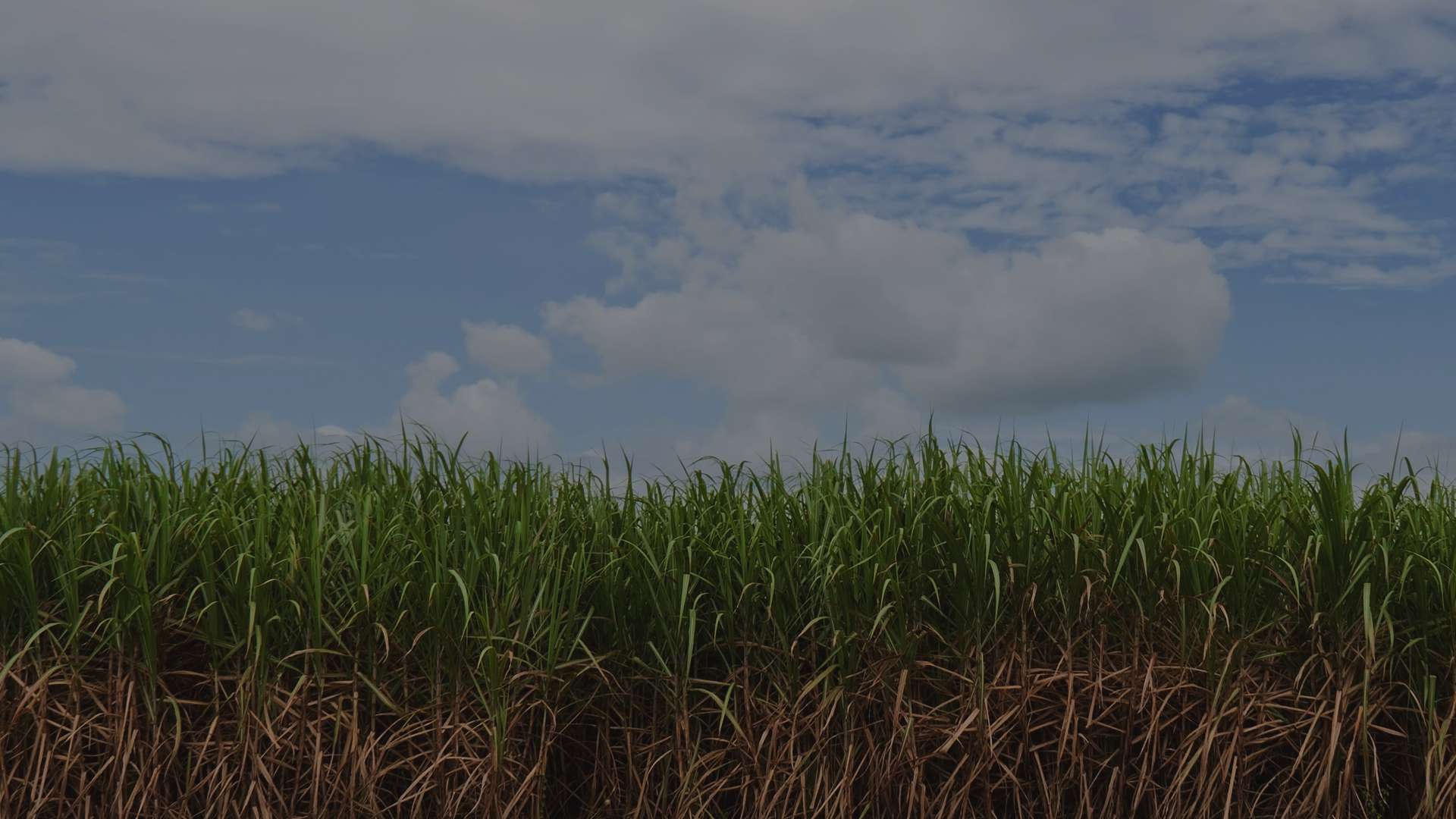
The mission of California Ethanol & Power, LLC (CE&P) is to produce energy in California for use in California from sugarcane, the right renewable resource. CE&P intends to develop, project finance, install, own and operate a series of facilities in the Imperial Valley (each a Project and, collectively, the Projects) that convert the sugar in sugarcane into fuel-grade ethanol and industrial grade carbon dioxide, and the residue into renewable power. In doing so, CE&P believes that it can be the low-cost producer in response to the increasing market demand for renewable fuels and green power, therefore generating substantial profits, while avoiding the growing economic and political issues associated with domestic corn-based ethanol production.
CE&P’s sugarcane-based ethanol has substantial economic advantages over corn-based ethanol plants. It is also superior to corn-based ethanol in the politically sensitive areas of food chain distortion, energy use, greenhouse gas emissions, and transportation system strain. A backlash against corn-derived ethanol has developed in the United States. The concerns with corn ethanol have to do with the taking large volumes of corn out of the food chain to produce ethanol, thus increasing food prices; excessive water usage; energy use imbalance; and increased greenhouse gas emissions. As discussed in the lead article in the October 2007 National Geographic Magazine, in all regards CE&P’s sugarcane-based ethanol has substantial advantages over corn-based ethanol.
Renewable Fuels and Green Power
CE&P will apply state-of-the-art but commercially proven technologies, equipment and systems to produce fuel-grade ethanol and electricity. After being mechanically unloaded from the delivering trucks, the sugarcane will be shredded to open up the juice-containing cells, and pressed to extract 97% of the juice. The extracted juice go through fermentation and distillation to produce ethanol, with carbon dioxide as a byproduct. The left-over mass of shredded stalks, called bagasse, as well as the field residue (the tops and leaves of the sugarcane plants), will be burned to produce steam that will in turn generate a substantial amount of electricity for internal use and sale into the California electrical grid.
CE&P is responding to the increasing market demand for renewable fuels while avoiding the growing economic and political issues associated with traditional domestic corn-based ethanol production.
Read more: The California Demand for Ethanol